



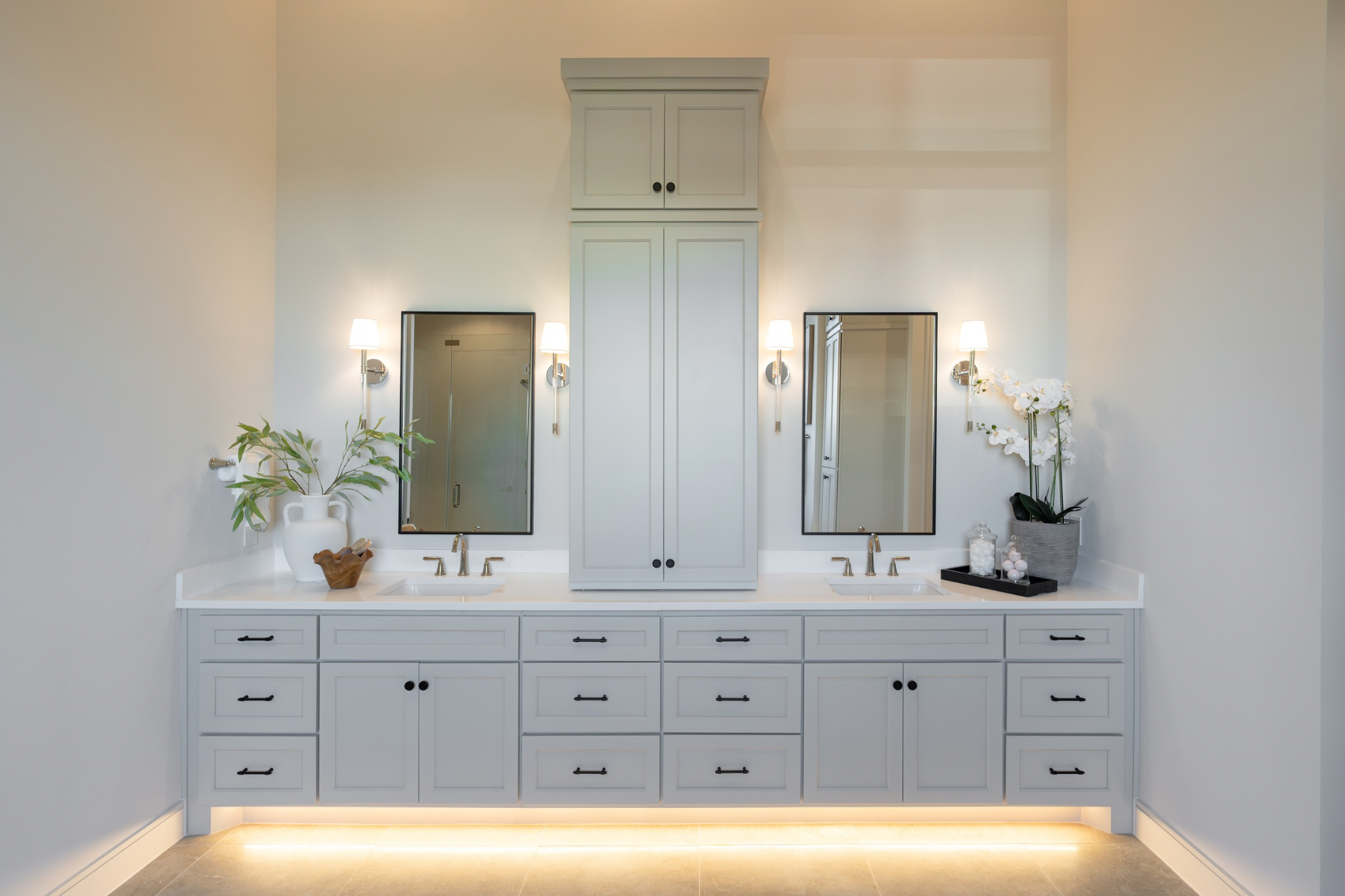
In Austin, home design is quietly undergoing a meaningful transformation. It’s no longer just about how a home looks – it’s about how it supports everyday life. Homeowners are moving beyond surface-level aesthetics and focusing on creating spaces that reflect their routines, values, and emotional well-being.
This shift isn’t driven by fleeting trends or Pinterest boards. It’s rooted in a deeper behavioral change – one where homes are becoming more intentional, functional, and personal than ever before.
Spaces Designed Around Daily Habits
For years, homes were designed with a certain ideal in mind – entertaining guests, showcasing style, or following traditional layouts. But today, especially in Austin, homeowners are rethinking that approach.
Now, the question isn’t “How will this look to others?” – it’s “How does this space work for me every single day?”
Designing For Real Routines
Modern homes are being shaped around daily habits such as:
- Morning routines: Dedicated coffee corners, natural lighting near breakfast areas, and clutter-free kitchens that make mornings smoother.
- Work-from-home flow: Quiet zones, ergonomic setups, and flexible office spaces that blend productivity with comfort.
- Family interaction: Open layouts that encourage connection without sacrificing personal space.
Instead of rigid room definitions, spaces are becoming more fluid and adaptable. A dining table might double as a workspace, and a living room might be designed to support both relaxation and collaboration.
This shift reflects a broader understanding: a home should work with your lifestyle, not against it.
Less Square Footage, Better Use
Bigger homes used to symbolize success and comfort. But now, there’s a growing awareness that more space doesn’t always mean better living.
In Austin, homeowners are increasingly choosing efficiency over excess.
Smarter Layouts Over Larger Homes
Rather than expanding square footage, the focus is on optimizing what already exists:
- Open yet purposeful layouts that eliminate wasted space
- Built-in storage solutions that reduce clutter
- Flexible areas that can shift between functions throughout the day
A well-designed 1,800 sq ft home can feel more spacious and livable than a poorly planned 3,000 sq ft house.
The Rise Of Multi-Functional Rooms
Rooms are no longer limited to a single purpose. Instead, they’re designed to evolve with changing needs:
- Guest rooms that double as home offices
- Living areas that transform into entertainment zones
- Kitchens that serve as social hubs
This approach not only maximizes usability but also aligns with a more mindful way of living – one where every square foot has intention behind it.
Emotional Design Is Driving Decisions
Perhaps the most significant shift in Austin home design is something less visible but deeply impactful: how a space makes you feel.
Homeowners are no longer just asking, “Does this look good?”
They’re asking, “Does this feel right?”
Designing For Emotional Well-Being
Today’s design choices are influenced by a desire for:
- Calm: Neutral color palettes, soft textures, and minimal visual noise
- Grounding: Natural materials like wood and stone that create a sense of connection
- Personal identity: Spaces that reflect individual stories, not generic styles
This is where design becomes more than decoration – it becomes an experience.
The Shift Away From Perfection
Perfectly styled homes are being replaced by authentic, lived-in environments. People are embracing imperfections, mixing old with new, and prioritizing comfort over showroom appeal.
A slightly worn dining table, a cozy reading corner, or a wall filled with personal memories – these elements bring warmth and meaning that polished aesthetics alone cannot achieve.
Why This Shift Matters (Beyond Design)
This evolution in home design reflects something bigger than architecture or interior trends. It highlights a change in how people define comfort, success, and quality of life.
In a fast-paced city like Austin, where work, lifestyle, and creativity often overlap, the home has become a central anchor. It’s no longer just a place to return to – it’s a place that actively supports how people live, work, and recharge.
Intentional living spaces help reduce stress, improve productivity, and create a stronger sense of belonging. And in many ways, that’s more valuable than any visual upgrade.
How Homeowners Can Embrace Intentional Living
If you’re thinking about adapting your space to this new approach, the process doesn’t require a complete overhaul. It starts with awareness.
Ask yourself:
- Which areas of your home do you use the most – and why?
- Where do you feel most comfortable or least productive?
- Are there spaces that look good but serve no real purpose?
From there, small changes can make a big impact:
- Rearranging layouts to improve flow
- Decluttering to create mental clarity
- Adding elements that bring comfort and personality
Intentional design is less about spending more – and more about thinking differently.
Bringing It All Together
For homeowners, builders, and designers in Austin, this shift presents an opportunity. It’s a chance to move beyond conventional design and create spaces that genuinely improve everyday life.
Working with professionals who understand this mindset can make a significant difference. Instead of focusing solely on visuals, the right approach combines:
- Functional planning
- Lifestyle alignment
- Emotional connection
The result isn’t just a better-looking home – it’s a better living experience.
Final Thought
Austin homes are evolving into something more meaningful than just physical structures. They are becoming extensions of lifestyle, identity, and intention.
This shift toward intentional living spaces isn’t about following a trend – it’s about creating environments that truly support the way people live today.
And as this mindset continues to grow, one thing is clear:
The future of home design isn’t just about space – it’s about purpose.