



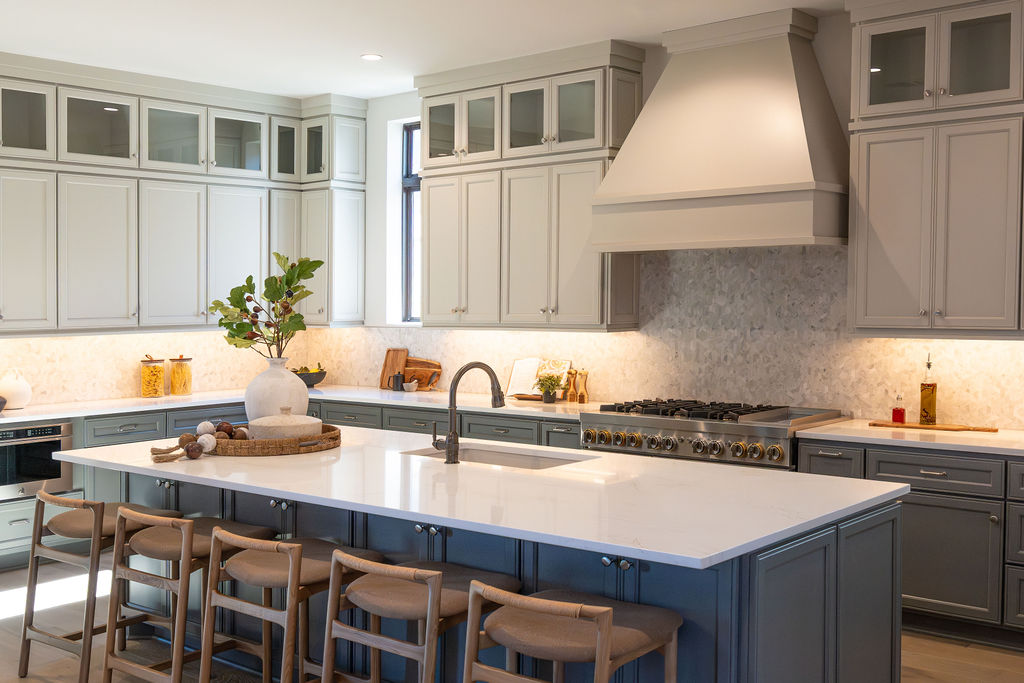
A kitchen remodel is one of the biggest investments homeowners make – but not every upgrade delivers the same long-term value. Many homeowners in Houston focus heavily on aesthetics, only to realize later that the features they skipped were the ones that truly affected functionality and durability.
The reality is simple: a successful kitchen renovation isn’t about spending the most money. It’s about allocating your budget strategically.
From cabinetry and countertops to layout planning and appliances, every decision impacts how your kitchen performs for years to come. Understanding where your money should actually go can help you avoid unnecessary expenses while creating a space that improves both daily living and home value.
1. Cabinetry Is the Foundation
Cabinets usually consume the largest portion of a kitchen remodeling budget – and for good reason. They are the structural and visual backbone of the entire kitchen.
Unlike decorative elements that may change with trends, cabinetry affects:
- Storage capacity
- Workflow efficiency
- Daily usability
- Overall durability
Homeowners often underestimate how frequently cabinets are used. Kitchen cabinets are opened, closed, cleaned, and exposed to moisture every single day. Poor-quality materials or weak construction can quickly lead to sagging doors, damaged finishes, and reduced functionality.
That’s why investing in solid cabinetry generally provides better long-term value than spending excessively on decorative upgrades.
Why Quality Cabinets Matter More
Well-built cabinets improve:
- Organization
- Space optimization
- Kitchen longevity
- Resale appeal
Custom or semi-custom cabinetry also allows homeowners to maximize awkward spaces, improve storage access, and create layouts that support real-life cooking habits.
In many kitchen remodels, cabinetry becomes the difference between a kitchen that simply looks updated and one that genuinely functions better for years.
When budgeting, prioritize:
- Durable materials
- Soft-close hardware
- Strong drawer systems
- Moisture-resistant finishes
These features may not appear dramatic during installation, but they significantly affect everyday experience and long-term maintenance costs.
2. Countertops: Performance Over Aesthetic
Countertops often become the visual centerpiece of a kitchen, but focusing only on appearance can lead to expensive regrets.
In a high-use kitchen, durability matters far more than short-term trends.
Countertops endure:
- Heat exposure
- Knife impact
- Moisture
- Food stains
- Daily cleaning
Choosing materials solely because they are trending on social media may not provide the performance needed for long-term use.
Prioritize Practical Materials
Quartz continues to be a popular choice because it combines:
- Durability
- Low maintenance
- Consistent appearance
- Stain resistance
Natural stone options like granite can also perform well when properly sealed and maintained.
The key is balancing aesthetics with practical performance.
For many homeowners in Houston, humidity and heavy kitchen use make material selection even more important. Surfaces that require excessive upkeep may become frustrating over time, especially for busy households.
Instead of allocating a large budget toward highly decorative countertop features, homeowners often benefit more from:
- Strong edge durability
- Easy maintenance
- Long lifespan
- Functional workspace design
A countertop should support how the kitchen is actually used – not just how it photographs online.
3. Layout Changes vs Cosmetic Updates
One of the biggest decisions during kitchen remodeling is whether to invest in structural layout changes or limit the project to cosmetic updates.
Cosmetic improvements may include:
- Paint
- New fixtures
- Updated finishes
- Decorative lighting
These upgrades can refresh the appearance of a kitchen quickly, but they do not always improve functionality.
Layout changes, however, can completely transform how a kitchen works.
Why Layout Matters More
A poorly designed kitchen creates daily frustration regardless of how beautiful it looks.
Issues like:
- Limited counter space
- Poor appliance placement
- Restricted movement
- Insufficient storage
can impact cooking efficiency and overall comfort.
Strategic layout improvements may include:
- Expanding workspace
- Adding an island
- Improving traffic flow
- Increasing storage accessibility
Although structural modifications often require a larger upfront investment, they typically provide stronger long-term value because they improve usability rather than appearance alone.
Cosmetic Updates Have Limits
Cosmetic remodeling certainly has value, especially for homeowners preparing to sell or modernize outdated interiors. However, appearance-focused upgrades without addressing functionality can limit the overall impact of the remodel.
A kitchen that looks modern but functions poorly rarely delivers lasting satisfaction.
That’s why experienced remodeling professionals often recommend prioritizing layout efficiency before decorative finishes.
4. Appliances Should Match Lifestyle
High-end appliances are heavily marketed in kitchen remodeling projects, but not every homeowner benefits from luxury commercial-grade equipment.
One of the most common budgeting mistakes is overspending on appliances that exceed actual household needs.
Before investing in premium appliances, homeowners should consider:
- Cooking frequency
- Family size
- Daily usage habits
- Maintenance expectations
Functionality Should Guide Appliance Choices
For some households, a professional-grade range may be valuable. For others, standard high-quality appliances can provide excellent performance without consuming a disproportionate amount of the remodeling budget.
The goal should always be practicality.
Appliances should complement:
- Cooking habits
- Kitchen size
- Workflow efficiency
- Energy needs
Spending strategically on reliable, energy-efficient appliances often creates better value than choosing luxury brands purely for status or appearance.
Smart Budget Allocation Matters
Instead of maximizing appliance spending, many homeowners achieve better overall results by balancing appliance costs with investments in:
- Cabinet quality
- Layout optimization
- Storage improvements
- Durable surfaces
A kitchen works best when every component supports functionality together – not when one feature dominates the budget.
Final Thought
A successful kitchen remodel isn’t defined by how expensive it looks. It’s defined by how well it supports daily life over time.
For homeowners in Houston, smart remodeling decisions come from understanding where investments create lasting impact. Cabinetry, layout functionality, durable surfaces, and practical appliances generally provide far more value than trend-driven upgrades alone.
The most effective kitchen renovations are intentional.
Instead of chasing every design trend, focus on the elements that improve:
- Functionality
- Durability
- Comfort
- Long-term usability
When your budget is allocated strategically, the result is a kitchen that not only looks better – but performs better for years to come.