



Introduction: Why Home Staging Matters More Than Ever
In today’s competitive real estate market, first impressions decide whether a property sells quickly or stays listed for months. Buyers don’t just purchase a house-they purchase a lifestyle vision. That’s exactly where home staging plays a critical role.
But not all staging strategies are the same. Two of the most commonly used approaches are vacant staging and traditional home staging (occupied staging). While both aim to enhance property appeal, they differ significantly in execution, cost, psychology, and marketing impact.
Understanding the difference between these two methods can directly influence your selling speed and final sale price.
Let’s break it down in a practical, expert-backed way.
What Is Traditional Home Staging? (Occupied Staging Explained)
Traditional home staging refers to styling a home that is already furnished or currently lived in. In this method, a staging expert works with existing furniture and décor, enhancing the space rather than replacing it completely.
Key characteristics of traditional staging:
- Uses the homeowner’s existing furniture (sometimes supplemented with rented pieces)
- Focuses on decluttering, rearranging, and styling
- Adds décor elements like cushions, rugs, artwork, and lighting
- Works closely with the seller’s lifestyle setup
Primary goal:
To transform a lived-in home into a visually appealing, market-ready product without making it feel empty or artificial.
Best suited for:
- Occupied homes still being lived in during the sale
- Budget-conscious sellers
- Homes with decent existing furniture quality
What Is Vacant Staging? (Empty Property Transformation)
Vacant staging is the process of furnishing an empty home with rented furniture and décor to create a fully designed living environment.
Instead of selling empty rooms, vacant staging builds a complete visual story inside the property.
Key characteristics of vacant staging:
- Entire home is furnished with rented staging furniture
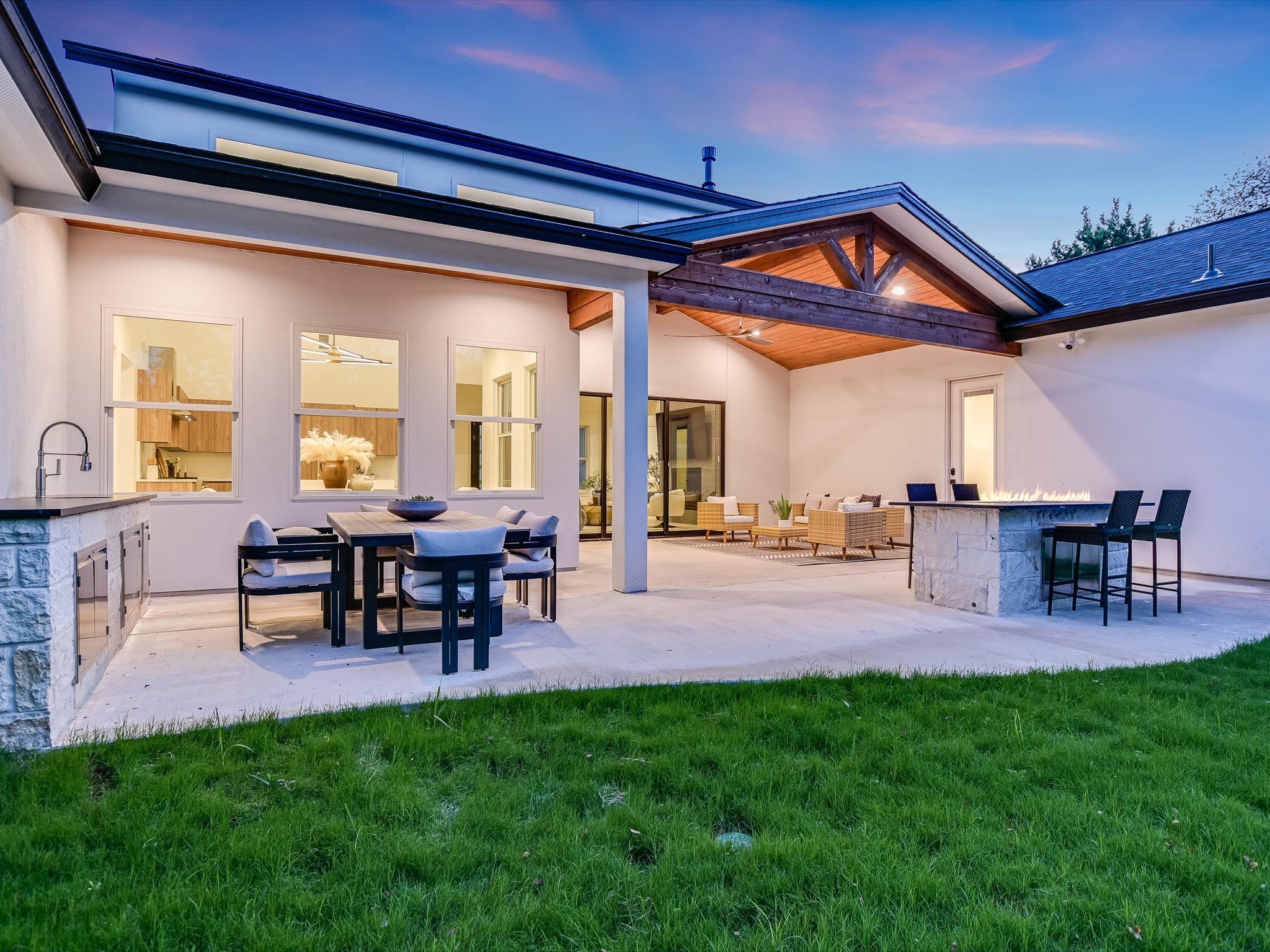
- Includes living room, bedrooms, dining areas, and sometimes outdoor spaces
- Professionally designed layouts for maximum visual impact
- Often includes lighting, artwork, and accessories
Primary goal:
To help buyers emotionally connect with an empty space by showing its full potential.
Best suited for:
- Newly constructed homes
- Vacant resale properties
- Luxury listings where presentation is critical
- Properties struggling to attract buyer interest
Vacant Staging vs Traditional Home Staging: Key Differences
Let’s break down the major differences that matter most for homeowners, investors, and real estate agents.
1. Property Condition: Empty vs Occupied
- Vacant Staging: The home is completely empty and transformed from scratch.
- Traditional Staging: The home is already furnished and optimized.
This is the most fundamental difference, as it changes the entire design strategy.
2. Buyer Psychology Impact
Vacant homes often feel:
- Cold
- Smaller than reality
- Emotionally disconnected
Traditional staged homes feel:
- Warm and lived-in
- Familiar and relatable
However, vacant staging wins in one major area:
It allows buyers to imagine their own lifestyle without distractions.
3. Cost Differences
- Vacant Staging: Generally more expensive due to full furniture rental, logistics, and installation.
- Traditional Staging: More affordable since it uses existing furniture.
Vacant staging is an investment-heavy strategy, but often delivers higher perceived property value.
4. Design Control and Flexibility
- Vacant Staging: Full creative control over layout, theme, and styling.
- Traditional Staging: Limited by existing furniture and space constraints.
This makes vacant staging ideal for modern, luxury, or high-impact visual design strategies.
5. Time and Setup Effort
- Vacant Staging: Requires full setup, delivery, and installation.
- Traditional Staging: Faster since most items are already in place.
However, traditional staging may require more editing (removing clutter, rearranging furniture, etc.).
6. Marketing and Photography Impact
In real estate marketing, visuals sell faster than descriptions.
- Vacant staged homes produce high-end magazine-style photos
- Traditional staged homes produce real-life relatable visuals
Vacant staging often performs better in online listings because it creates a “model home” effect.
Which One Sells Faster? Data-Driven Insight
While results depend on market conditions, real estate professionals generally observe:
- Staged homes sell faster than non-staged homes
- Vacant staged homes often receive higher online engagement
- Traditional staging performs well in mid-range residential markets
- Vacant staging dominates in luxury and new construction segments
The key factor is emotional connection. Buyers decide within seconds whether a property “feels right.”
Pros and Cons of Vacant Staging
Advantages:
- Strong visual impact
- Enhances perceived property value
- Helps buyers understand room scale
- Ideal for professional photography
- Works well in online listings
Disadvantages:
- Higher cost
- Requires logistics coordination
- Furniture rental limitations
- Ongoing maintenance during listing period
Pros and Cons of Traditional Home Staging
Advantages:
- Cost-effective
- Uses existing resources
- More natural and relatable feel
- Faster setup
Disadvantages:
- Limited design flexibility
- May not hide property flaws effectively
- Depends heavily on homeowner cooperation
- Less impactful in empty or outdated spaces
When Should You Choose Vacant Staging?
Vacant staging is ideal when:
- The property is newly built or fully empty
- You want premium positioning in the market
- The home lacks visual structure or warmth
- You are targeting high-end buyers
- Online listing performance is a priority
If your goal is to maximize perceived value and create a strong emotional first impression, vacant staging is often the better choice.
When Should You Choose Traditional Home Staging?
Traditional staging works best when:
- The home is still occupied
- Budget is limited
- Furniture quality is already good
- You want a quick listing turnaround
- The property is in a mid-market segment
It offers a practical balance between cost and presentation.
Why This Difference Matters in Real Estate Marketing
From a digital marketing perspective, staging directly influences:
- Click-through rates on listings
- Time spent on property pages
- Buyer inquiry conversion rates
- Final sale price perception
Search intent for real estate buyers is increasingly visual and experience-driven. That means staging is no longer optional-it’s a strategic sales tool.
Vacant staging tends to perform better in competitive SERPs because it improves:
- Image engagement
- Listing quality signals
- User dwell time
- Emotional response triggers
Frequently Asked Questions (FAQ)
1. Is vacant staging better than traditional staging?
It depends on the property type. Vacant staging is better for empty or luxury homes, while traditional staging works well for occupied homes.
2. Does staging really increase home value?
Yes. Professionally staged homes often sell faster and can achieve higher perceived market value.
3. How long does vacant staging take?
Typically 2–5 days depending on furniture availability and property size.
4. Is home staging worth the cost?
In most cases, yes. The return on investment usually outweighs staging expenses through faster sales and stronger offers.
Conclusion: Choosing the Right Staging Strategy
The difference between vacant staging and traditional home staging is not just about furniture-it’s about buyer psychology, marketing impact, and perceived value.
Vacant staging creates a fully designed lifestyle vision, while traditional staging enhances what already exists. Both are powerful, but the right choice depends on your property type, budget, and selling goals.
In a market where attention spans are short and competition is high, choosing the right staging strategy can be the difference between a listing that lingers-and one that sells fast at the right price.