



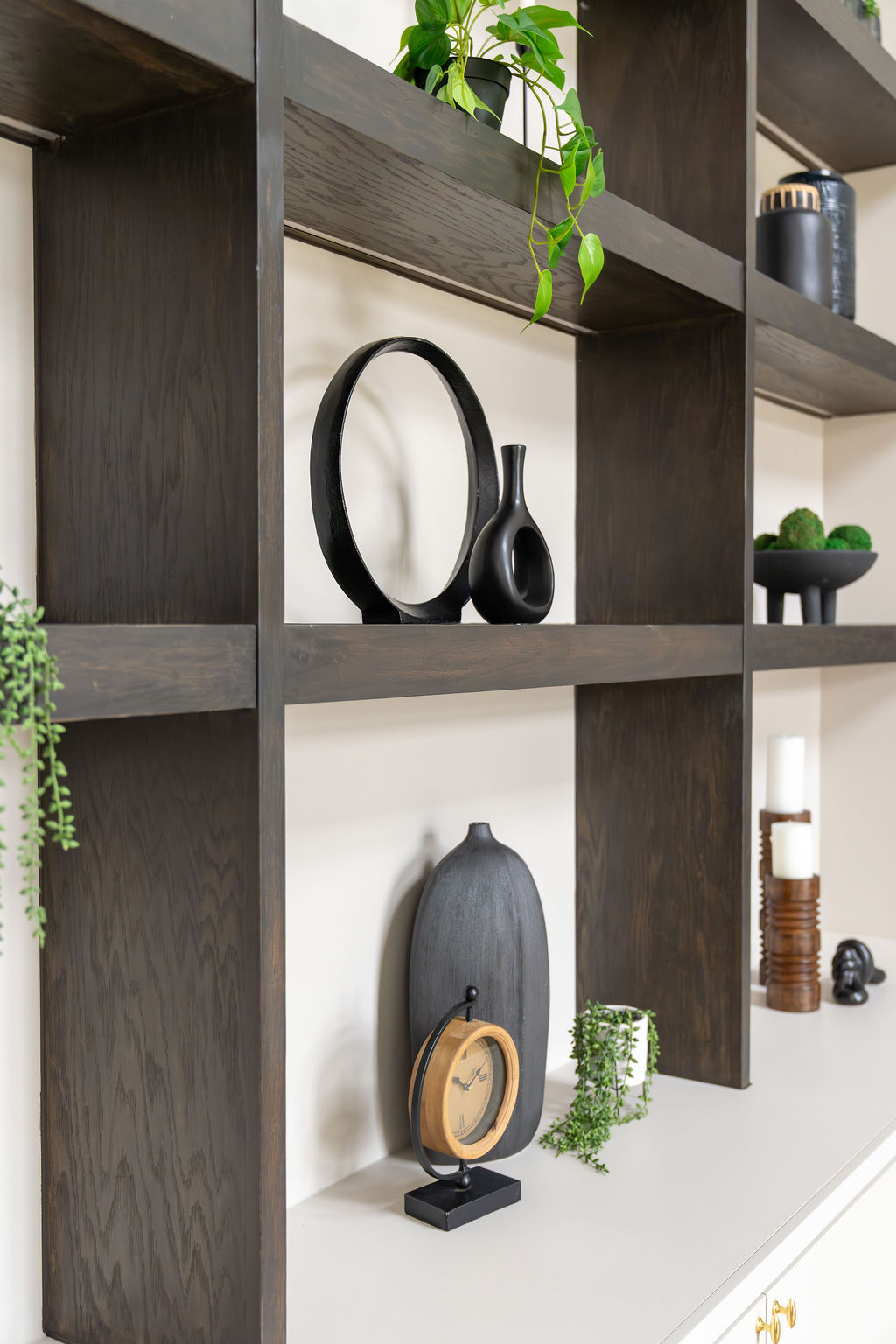
Introduction: Why Staging Is a Game Changer for Flips in Texas
When you’re flipping houses in Houston or Austin, every dollar counts — from acquisition, renovation, carrying costs, to the final sale. One often-overlooked tool that can significantly boost your margins is professional home staging.
For investors, staging isn’t a cosmetic luxury — it’s a strategic investment. It can help:
-
Increase the offer price
-
Reduce days on market
-
Minimize holding costs
-
Appeal to a broader buyer pool
In fact, staging has been shown to yield strong ROI. The National Association of REALTORS® found that staging can boost home values by 1% to 10% over comparable non-staged homes. National Association of REALTORS®
In this post, we’ll walk through how savvy investors in Texas use staging to maximize their flip profits — with specific strategies and local insights for Houston and Austin.

The Case for Staging: Data & Investor Advantages
Strong ROI and Faster Sales
-
Staged homes frequently sell for 8%–10% higher than non-staged homes. The Zebra+2National Association of REALTORS®+2
-
Properties that are staged spend significantly less time on the market — some studies suggest up to 73% less time. The Zebra
-
In seller’s markets, staging still pays. NAR reports that staging often costs less than the first price reduction. National Association of REALTORS®
For a flipper, shorter market time means lower carrying costs (mortgage, insurance, utilities, taxes). Staging helps you turn inventory faster, freeing capital for the next flip. movingmountainsdesign.com+1
Psychological Impact & Perceived Value
Buyers rarely imagine a blank shell being a home. Staging helps them see lifestyle and functionality. It reduces hesitation, objections, and can justify a premium price. ingvildbrown.com+1
From the first online photo to the in-person walk-through, staging shapes the emotional narrative buyers experience.
How Investors Should Stage Flips in Houston & Austin
Below are strategic staging approaches that align with the flip model, with local calibration for Houston and Austin markets.
1. Pick Target Buyer and Style Early
Before you buy, identify your target buyer profile (young family, professionals, downsizers, etc.). Tailor staging style to their preferences:
-
In Houston, mid-to-upper end buyers often prefer polished, elegant interiors with classic touches.
-
In Austin, buyers may lean toward modern, open, tech-forward, and sustainable aesthetics.
Choosing and executing a cohesive look early (furniture, paint, finishes) prevents last-minute mismatches.

2. Focus on High-Impact Rooms First
Budget staging by prioritizing critical rooms:
-
Living room / great room — heart of the home
-
Kitchen & dining — buyers scrutinize these heavily
-
Primary bedroom & bathroom — emotional connection
-
Curb appeal & entry — first impressions matter
If budget is tight, stage these areas first; others can remain neutral or minimally styled.
3. Use Scaled, Quality Furnishings
Flips often feature scaled-down homes, model homes, or homes in subdivisions. Use furniture that fits, but still looks high-end:
-
Avoid oversized pieces that clutter
-
Use neutral, high-quality fabrics
-
Invest in art or accent pieces
-
Rent from staging companies that rotate stock (avoid buying too many pieces)
In Texas, think of keeping the palette light, clean, and warm to offset strong sun and bold exteriors.
4. Emphasize Curb Appeal & Outdoor Spaces
Texas buyers value outdoor living:
-
Stage front porches, patios, and backyards with seating, plants, and lighting
-
Maintain landscaping neatly
-
Use Texas-appropriate plantings (drought-tolerant, native species)
A home that looks inviting from the curb helps buyers imagine weekend grilling or evening relaxation.
5. Use Lighting & Texture Strategically
-
Maximize natural light (open curtains, clean windows)
-
Use layered lighting (ambient, task, accent) to highlight architectural features
-
Incorporate textures — wood, woven fabrics, rugs — to add depth
Good lighting and layering can make the difference between a flat space and one that feels luxurious.

6. Neutral But Memorable
Use neutral base colors so buyers can visualize their own style. But add memorable touches (art, accent pillows, statement lighting) to make a property stand out.
In Austin, touches of greenery, light wood, or local art can make the home feel integrated with the city’s vibe.
7. Keep It Move-In Ready
Buyers often prefer “move-in ready” homes. Avoid “unfinished” or overly staged looks. Everything should feel functional — kitchens dressed, bathrooms with fresh towels and quality finishes, bedrooms cozy but uncluttered.
Cost vs. Benefit: A Look at Staging Budget in Texas
In Texas, staging a home can cost anywhere between $500 and $5,000, depending on property size, level of finishes, and scope of staging. Southern Hills Home Buyers
Luxury or full-house staging can run much higher, but the upside is often more than worth it.
As one guide suggests for staging, staging investment is usually much lower than the first price cut you might otherwise need. National Association of REALTORS®
For flips, you’ll want to build staging cost into your pro forma. If staging yields a 5–10% premium and saves you weeks off market time, the return can be compelling.

Real-World Example: Staging Success Case (Hypothetical for Texas)
Note: This is a composite example based on industry patterns to illustrate staging’s impact in Texas.
-
A flipper acquires a standard 3 bed / 2 bath home in Houston suburb.
-
After renovation, they invest $4,000 in staging the main rooms, landscaping, and lighting.
-
The home is listed at $350,000; comparable homes are sitting for 60 days.
-
Because of staging, the home receives strong interest, sells in 15 days, and closes at $370,000.
-
Net gain: +$20K extra value while holding costs, interest, and carrying expenses were minimized.
Though simplified, this scenario mirrors observed surges in staged home performance. ingvildbrown.com+3National Association of REALTORS®+3goarmstrong.com+3
Common Mistakes Investors Make with Staging (and How to Avoid Them)
| Mistake | Why It Hurts | Solution |
|---|---|---|
| Over-staging or too much décor | Buyer distraction; excess costs | Stick to a clean, well-edited aesthetic |
| Wrong scale furniture | Rooms feel crowded or too sparse | Use furniture scaled appropriately |
| Ignoring curb appeal | Buyers make judgments before entering | Stage the front yard, entry, walkway |
| Failing to invest in photography | Poor images reduce interest | Use professional photos once staged |
| Neglecting local style | Look too generic, not market sensitive | Tailor finishes and style to Houston/Austin trends |
Marketing Your Flip: Leverage the Staging Story
Staging is an asset you can sell. Use it in your marketing:
-
In listing descriptions: “Professionally staged to highlight lifestyle and flow.”
-
Social media: Show before/after staging transformations
-
Realtor pitches: Use staging as a differentiator
-
Email marketing: Highlight staging as adding value
Buyers often scroll listings first; staging gives your property visual boost to attract showings.
Conclusion: Staging as an Investment, Not Expense
For real estate investors in Houston or Austin, staging your flips can be one of the smartest steps you take. It’s not just about decorating — it’s about accelerating sales, commanding premium offers, and reducing carrying costs.