



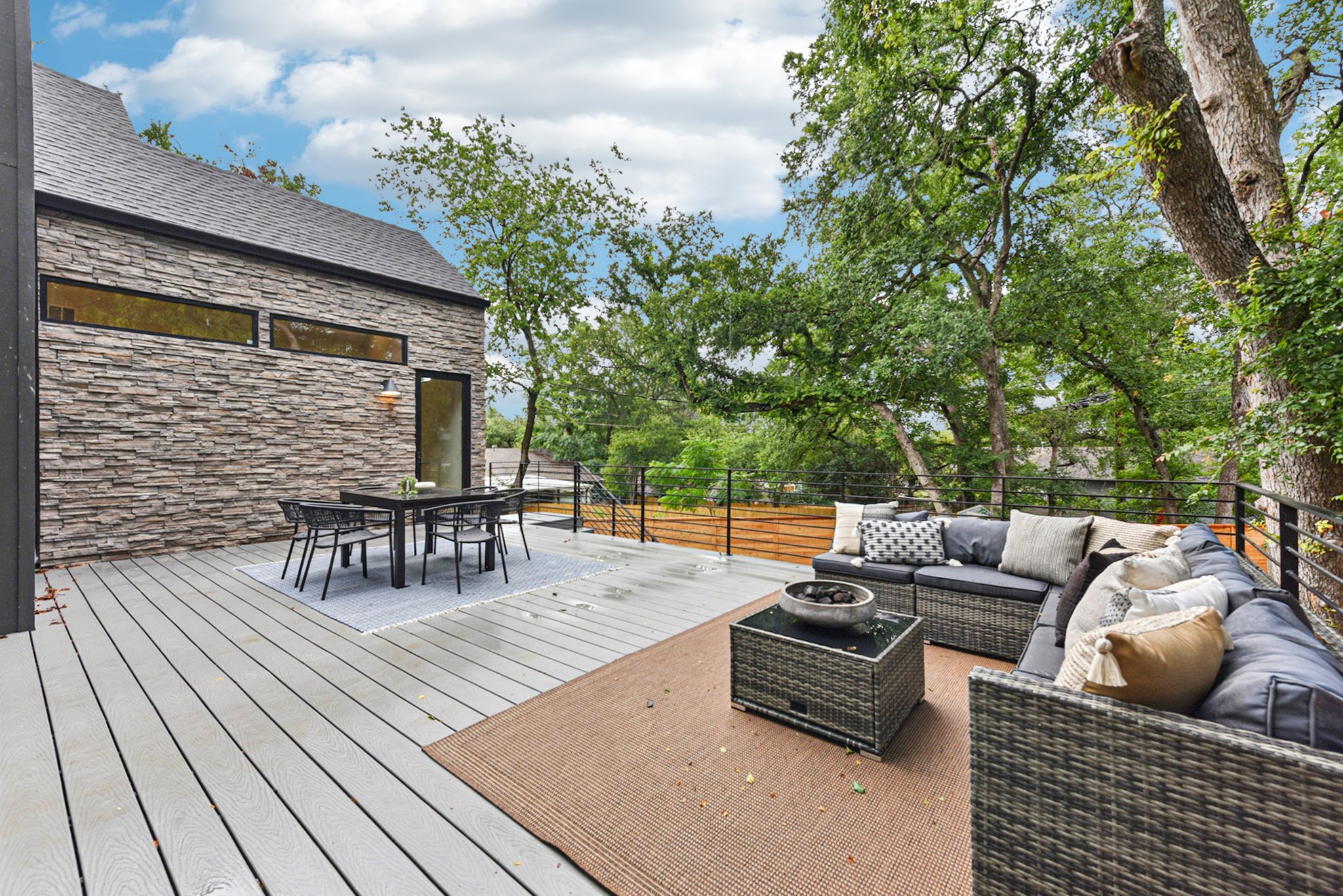
What Is Home Staging?
If you’re preparing to sell your home, you’ve likely heard the term home staging. But what is the meaning of home staging, and why do real estate professionals recommend it before listing a property?
Home staging is the process of preparing, organizing, and styling a home to make it more appealing to potential buyers. Instead of decorating a home according to the owner’s personal preferences, staging focuses on creating a welcoming environment that helps buyers picture themselves living in the space.
The objective is simple: showcase the home’s strengths, minimize distractions, and present every room in its best possible light. Whether the property is occupied or vacant, professional home staging helps create a stronger first impression that can attract more qualified buyers and potentially lead to faster offers.
In today’s competitive real estate market, staging has become a strategic marketing investment rather than an optional finishing touch.
Home Staging Meaning Explained
The meaning of home staging goes beyond arranging furniture or adding decorative accents. It is a marketing technique designed to highlight a property’s value and increase its perceived appeal.
Professional home stagers evaluate every aspect of a home, including:
- Room layout and furniture placement
- Lighting and visual flow
- Color coordination
- Decluttering and organization
- Decorative accessories
- Curb appeal
- Photography readiness
Each recommendation is made with one goal in mind: helping buyers emotionally connect with the property from the moment they see it online or walk through the front door.
This emotional connection often influences purchasing decisions more than many homeowners realize.
Why Home Staging Matters in Today’s Real Estate Market
Most buyers begin their home search online. Property photos are often the first opportunity to capture attention, making visual presentation more important than ever.
A staged home photographs better, creates stronger online engagement, and encourages more in-person showings.
When buyers enter a clean, organized, professionally staged property, they can focus on the home’s features instead of its flaws or the seller’s personal belongings.
This creates several advantages:
- Buyers spend more time viewing the property.
- Rooms appear larger and more functional.
- The home feels move-in ready.
- Buyers develop greater emotional attachment.
- Sellers often receive stronger offers.
Home staging supports every stage of the selling process, from online marketing to open houses and private showings.
What Does a Professional Home Stager Actually Do?
Professional home staging combines design expertise with real estate marketing knowledge.
Rather than decorating for personal taste, home stagers analyze what today’s buyers expect within a specific neighborhood and price range.
Their work typically includes:
Evaluating the Property
Every staging project begins with a walkthrough to identify areas that could affect buyer perception.
This includes outdated furniture arrangements, excessive personal items, dark rooms, worn décor, or underutilized spaces.
Optimizing Furniture Placement
Furniture is repositioned to improve traffic flow, make rooms appear larger, and emphasize architectural features.
Proper spacing helps buyers understand how each room functions.
Creating Buyer Appeal
Decor is selected to appeal to the broadest possible audience.
Neutral colors, clean lines, balanced textures, and tasteful accessories help buyers focus on the home rather than personal style choices.
Preparing the Home for Photography
Since online listings generate the majority of buyer interest, professional staging often includes preparing the property specifically for listing photography.
Every room is presented to maximize natural light, depth, and visual balance.
Different Types of Home Staging
Not every property requires the same staging approach. Professional staging companies typically customize services based on occupancy and property condition.
Occupied Home Staging
Occupied staging works with the homeowner’s existing furniture while recommending updates, rearrangements, and decluttering.
The goal is to maintain functionality for daily living while presenting the home in a way that attracts buyers.
This option is ideal for homeowners still living in the property during the selling process.
Vacant Home Staging
Empty homes often appear smaller and less inviting.
Vacant home staging uses professionally selected furniture, artwork, rugs, and décor to define each room and create warmth.
Buyers are able to understand room dimensions and visualize how the space can be used.
Partial Home Staging
Some sellers only need staging for key spaces such as the living room, kitchen, dining room, or primary bedroom.
Partial staging provides a cost-effective solution while still improving buyer perception.
Home Staging vs Interior Decorating
Many people assume home staging and interior decorating are the same, but they serve very different purposes.
Interior decorating focuses on the homeowner’s personal preferences, lifestyle, and long-term comfort.
Home staging focuses on attracting potential buyers.
A decorator asks:
“What does the homeowner love?”
A home stager asks:
“What will help this home sell?”
This distinction explains why staged homes often feature neutral color palettes, simplified décor, and carefully planned furniture layouts that appeal to a wider audience.
Does Home Staging Really Help Sell a House?
For many sellers, staging is one of the most effective ways to improve a property’s presentation.
While every real estate market is different, well-staged homes commonly experience:
- Increased buyer interest
- More online engagement
- Better-quality listing photos
- Stronger first impressions
- Greater perceived value
- Increased showing requests
Professional staging cannot guarantee a specific sale price or timeline, but it helps ensure buyers see the home’s full potential rather than focusing on distractions.
Common Misconceptions About Home Staging
Many homeowners hesitate because of misconceptions about what staging involves.
One common belief is that staging means completely renovating a property.
In reality, staging usually focuses on presentation rather than construction. Small improvements such as furniture arrangement, lighting adjustments, fresh accessories, and decluttering often create significant visual impact.
Another misconception is that staging is only for luxury homes.
Homes across a wide range of price points can benefit from professional presentation because every buyer responds positively to spaces that feel clean, organized, and welcoming.
Some homeowners also believe they can simply decorate the home themselves.
While personal effort certainly helps, experienced home stagers understand buyer psychology, current market expectations, photography requirements, and design principles that influence purchasing decisions.
How Home Staging Supports Your Marketing Strategy
Home staging works best when combined with professional real estate marketing.
A staged property strengthens every marketing asset, including:
- MLS listings
- Real estate websites
- Social media advertising
- Virtual tours
- Open houses
- Printed brochures
Because buyers often make decisions within seconds of viewing listing photos, presentation plays a major role in generating interest.
Professional staging ensures marketing efforts showcase the home’s highest potential.
Is Home Staging Worth It?
For many homeowners, staging is an investment in presentation rather than an added expense.
The cost of staging is often significantly lower than repeated price reductions caused by a home remaining on the market for an extended period.
Every property is different, but staging helps reduce buyer objections by presenting a home that feels clean, functional, and move-in ready.
For sellers competing in active markets, professional staging can become an important competitive advantage.
Frequently Asked Questions
What is the simple meaning of home staging?
Home staging is the process of preparing and furnishing a home to make it more attractive to potential buyers before it is listed for sale.
Is home staging only for expensive homes?
No. Homes of all sizes and price ranges can benefit from staging because buyers respond positively to well-presented properties.
Can I stage my own home?
Basic improvements like decluttering and cleaning can be done yourself. However, professional home stagers provide market knowledge, design expertise, and buyer-focused strategies that often produce stronger results.
What’s the difference between vacant and occupied home staging?
Occupied staging enhances the homeowner’s existing furniture and décor, while vacant staging involves bringing in rental furniture and accessories to furnish an empty property.
Does home staging increase home value?
Staging does not directly increase a home’s appraised value. Instead, it improves buyer perception, enhances marketing, and helps the property compete more effectively in the market.
Final Thoughts
Understanding the meaning of home staging is the first step toward making informed decisions when selling a property. Home staging is more than decorating. It is a proven presentation strategy that helps buyers visualize a home’s potential, strengthens marketing efforts, and creates memorable first impressions.
Whether you’re preparing an occupied residence, furnishing a vacant property, or simply looking to maximize buyer interest, professional home staging helps position your home to stand out in a competitive market. By combining thoughtful design with buyer psychology and real estate expertise, staging transforms ordinary spaces into homes that buyers can confidently imagine calling their own.